
Retrofit vs. Nail-Fin Windows in Los Angeles: Which Install Fits Your Home?

If you’re replacing windows in Los Angeles, one question comes up fast: retrofit or nail-fin? Both can be great—when they match the home and the wall system.
This quick guide breaks down what each install style is, where it tends to work best in LA County, and the questions to ask so you don’t get stuck with surprises.
Retrofit Windows (Insert Replacement)
What it is: The new window is installed into the existing frame/opening, with minimal exterior disturbance.
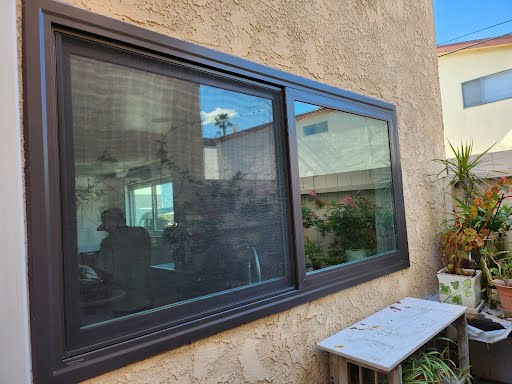
Often a good fit when:
You want a cleaner, faster upgrade with less exterior finish work
Your existing frames are in good condition
You’re trying to keep stucco or trim disruption to a minimum
Common trade-offs:
If the old frame is compromised, you can’t "hide" that forever.
You may lose a small amount of glass area depending on the system.
Nail-Fin Windows (New Construction Style)
What it is: A window with a nailing flange (fin) that ties into the weather barrier and flashing system.

Often a good fit when:
You're already opening walls or doing major exterior work.
You want to rebuild the waterproofing details from scratch.
You're dealing with leaks, rot, or questionable existing frames.
Common trade-offs:
More scope: exterior work, patching, finishing, and coordination.
More time and moving parts—but often the right long-term fix.
What Does a Nail-Fin Installation Look Like During Replacement?
Many homeowners are surprised that a nail-fin replacement often requires removing stucco around the opening so new flashing can be properly integrated.

This extra work is what allows contractors to inspect the framing, correct hidden water damage, and rebuild the opening with modern waterproofing practices.
LA-Specific Questions That Decide It
1. What's your exterior?
Stucco, siding, brick veneer, and trim systems all change the installation approach.
2. Any signs of water intrusion?
Bubbling paint, staining, soft trim, or musty corners usually mean it's worth investigating beyond the existing window.
3. Are you trying to match the whole home?
If you're planning a phased replacement project, choosing a consistent installation method can help maintain matching sightlines and appearance throughout the house.
Finished Appearance
Regardless of installation method, the goal is a clean, factory-finished appearance that blends naturally with the home's exterior.

Quick FAQ
Is one always better?
No. The best choice depends on the wall condition, existing framing, exterior finishes, and your long-term goals.
Can you switch methods later?
Yes, but mixing installation methods without a plan can create mismatched sightlines and unnecessary costs.
Do doors follow the same logic?
Generally, yes. The surrounding waterproofing and framing details are just as important as the door itself.
Next Step
If you're not sure which installation method fits your home, start with a quick assessment:
Your exterior type
Any leak history
The number of windows or doors you're replacing
We can help you determine where a retrofit installation makes sense—and where a full-frame nail-fin replacement is the better long-term solution.


